Haunted
Memory and Grief in Sheree Clement’s “TEETH”
by Eliza Garth

Photo by Dušan veverkolog
One of my projects this summer is a return to Sheree Clement's monodrama "Teeth". The work is scored for a solo pianist who also performs a spoken part, accompanied by fixed media and live-recorded sounds. I commissioned it and performed the premiere of the concert version at Merkin Hall in 2023; it is also included on my recent solo recording, "By the River". This summer Sheree is developing a dramatic video version of the piece, with costuming and heightened theatrical visual elements. I’m looking forward to being a part of this new phase of the work as it unfolds.
Teeth was composed during the Covid pandemic and captures the anguish, isolation, grief, and uncertainty that defined that strange and frightening period. Yet the work is about more than Covid. It draws connections between the pandemic and another public health crisis that has largely faded from public memory: the hookworm epidemic that devastated Appalachia and much of the rural South between the late 1800s and the early 1900s.
When Sheree first sent me the score for Teeth, I immediately understood the references to hookworm. Growing up in Florida, I was strictly forbidden to go outdoors barefoot unless I was at the beach. It was a serious rule in our household. Although Florida is not part of Appalachia, hookworm is present there, and my father, a physician who earned his medical degree at the University of Virginia and completed an internship in Logan, West Virginia, had seen the effects of hookworm firsthand. He made certain that my brothers and I understood the risks.
What surprised me, however, was discovering how few people today know anything about hookworm. In the many conversations I have had about Teeth, I have yet to meet anyone who was familiar with the history. Yet it is hardly an obscure subject - a brief online search yields abundant information about a disease that, by 1910, infected an estimated 40 percent of the rural population across eleven Southern states.
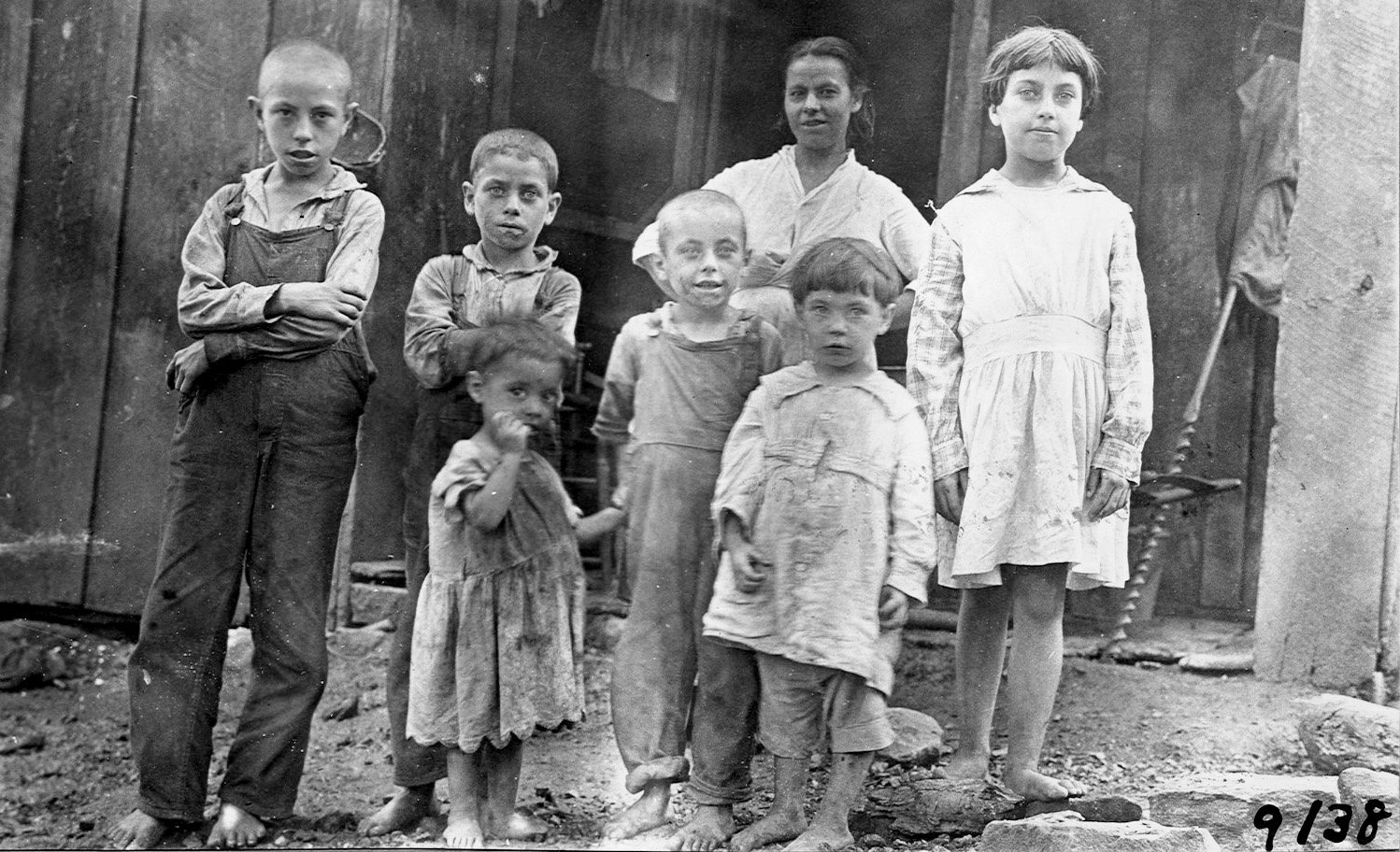
During the Covid years, much attention was devoted to comparisons with the influenza pandemic of 1918–1920. Little if anything was said about hookworm, though, despite some striking parallels. Unlike influenza or Covid, hookworm is not a virus but a parasite. It enters the body through bare feet exposed to contaminated soil, often in areas lacking proper sanitation. Once established, it can cause severe anemia, developmental delays, stunted growth, and cognitive impairment. Children are particularly vulnerable, and untreated infections can have lifelong consequences for physical health and intellectual development, perpetuating the generational cycle of deprivation and hopelessness.
The social consequences in the mass infections of 1865-1910 were profound. Hookworm contributed to stereotypes of the "stupid" or "lazy" Southerner by producing chronic fatigue and cognitive difficulties in infected populations. It became the basis for some racist tropes. Furthermore, the disease disproportionately affected poor communities lacking access to sanitation infrastructure. It was not only a medical problem but a reflection of poverty and government neglect.
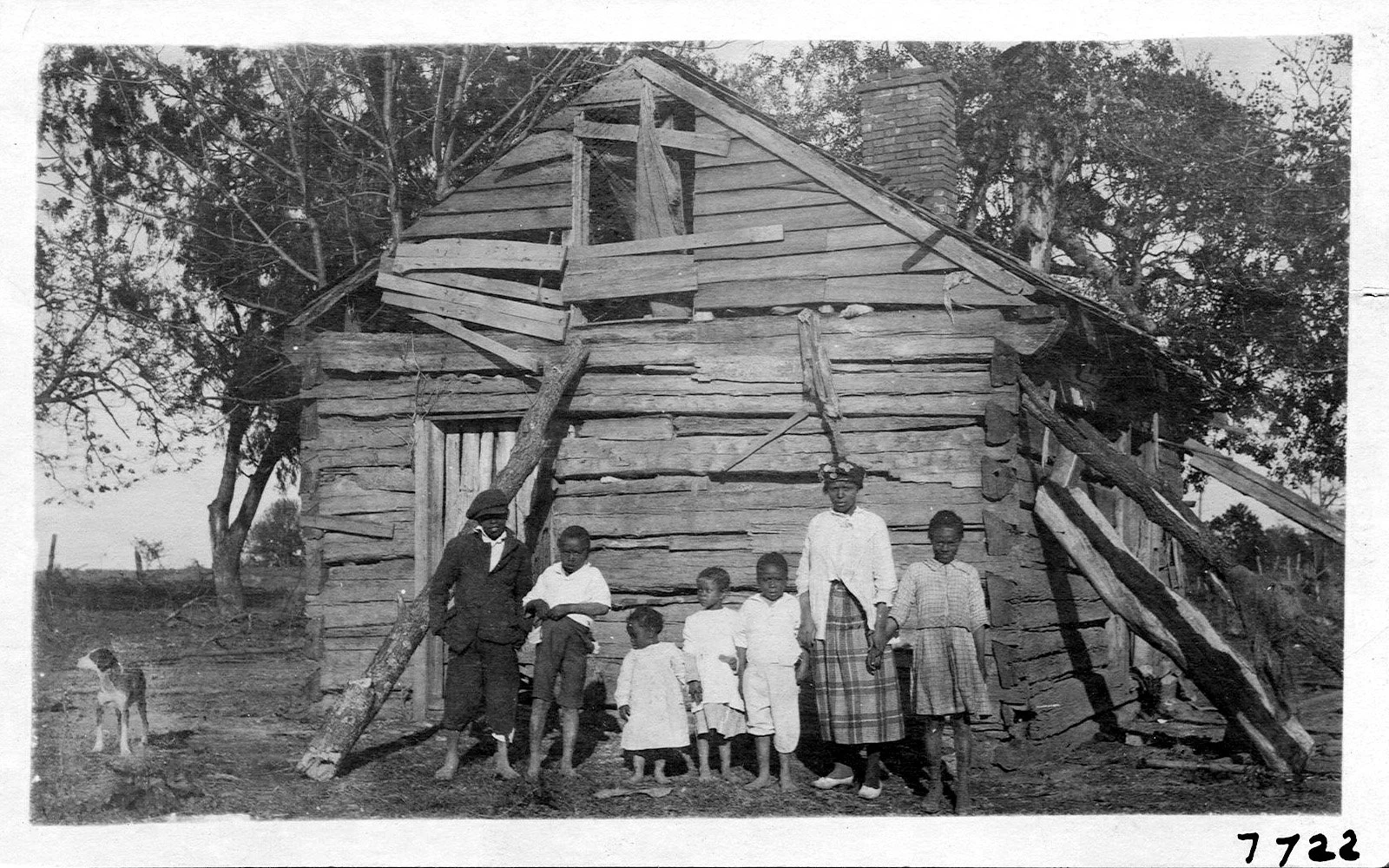
Although the scale of the epidemic was well known, governments failed to act. At the Federal level it was regarded as an issue for the states to solve. And at the state level, it was too far down the list of priorities; the poor Black and poor White communities most affected lacked political influence. Eventually, John D. Rockefeller took action, establishing the Rockefeller Sanitary Commission for the Eradication of Hookworm Disease. Through the Commission's treatment programs and public education campaigns, infection rates dropped dramatically. Yet hookworm was never fully eliminated, and in recent years it has reappeared in vulnerable communities where poverty and inadequate waste management persist.
This history forms the backdrop of Teeth. The work opens with an East African proverb, translated by A. M. Juster: "Teeth in a hyena's face always slide into place.” It also incorporates the hymn "Open My Eyes, That I May See" alongside original text by the composer.
Set during the Covid lockdown of 2020, Teeth's protagonist is Doris, a church pianist struggling to cope with overwhelming grief and isolation after her mother's recent death from the virus. Alone in lockdown in her home, in shock over her mother’s death, and surrounded by the constant shriek of ambulances carrying sufferers to the nearby hospital, Doris finds her mental stability beginning to unravel. Memories crowd in. She hears her mother’s voice. Past and present blur together.
In the midst of this, thoughts about her family's Appalachian roots begin to intrude. Stories of relatives who suffered from hookworm generations earlier mingle with her experience of the pandemic. In her increasingly fragile state, Doris sees recurring patterns: opportunists exploiting fear for profit, institutions unprepared for catastrophe, leaders evading responsibility, and vulnerable populations left to bear the greatest burden.
What Doris tells us is that these patterns are not new. The proverb that frames the work becomes a metaphor for a recurring reality. The teeth of the hyena always find their place. Diseases such as hookworm and Covid disproportionately harm the poor and vulnerable. Governments look the other way. And opportunists exploit fear and uncertainty. The details change, but the underlying dynamics remain hauntingly familiar.
That is what gives Teeth its power. While born from the experience of Covid, it ultimately asks a larger question about memory, neglect, and the ways societies repeatedly fail those most at risk.
Here's the studio recording: https://www.youtube.com/watch?v=sD-66Nxaqdc...
Further reading: https://resource.rockarch.org/.../the-rockefeller.../
Photos of people provided under a Creative Commons Attribution 4.0 International License.
Fair use. Educational purposes only.
Visit Sheree Clement’s website .